Hammer Unions 101: The Backbone of High-Pressure Flow Lines
In the world of drilling, fracking, and well servicing, equipment failure isn't just an inconvenience—it’s a major safety hazard. When you're moving abrasive mud or volatile fluids at 15,000 psi, your connections are the only thing standing between a successful operation and a catastrophic blowout.
What Exactly is a Hammer Union?
At its core, a hammer union is a high-pressure pipe connector consisting of three main parts: a male sub, a female sub, and a wing nut.
The "hammer" in the name comes from the way it's tightened. The wing nut features large lugs designed to be struck with a sledgehammer. This creates a high-torque, metal-to-metal (and often rubber-sealed) connection that can be made up or broken down in seconds—without the need for complex hydraulic tools.
The "Figure" System: Cracking the Code
If you’ve spent any time around hammer unions, you’ve heard terms like "Figure 602" or "Figure 1502." These aren't random numbers; they indicate the pressure rating and application.
| Figure Number | Working Pressure (CWP) | Color Code (Typical) | Best For... |
| Fig 100 | 1,000 PSI | Yellow | Low-pressure air, water, or oil service. |
| Fig 200 | 2,000 PSI | Blue / Grey | General-purpose pipelines and manifolds. |
| Fig 602 | 6,000 PSI | Orange / Black | Mud service and air-actuated systems. |
| Fig 1502 | 15,000 PSI | Red / Blue | High-pressure well testing, fracking, and cementing. |
Why the Right Seal Matters
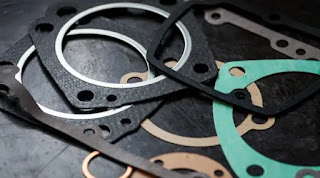
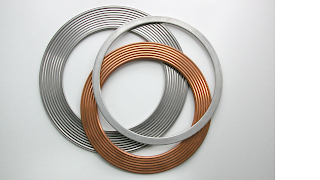
While low-pressure unions (like Fig 100) rely on a metal-to-metal ball-and-cone fit, high-pressure models (like Fig 602 and 1502) utilize a replaceable lip-type seal ring.
Standard Service: Typically uses Nitrile (Buna-N) for general oil/water.
Sour Gas (H2S) Service: Requires Viton or HNBR seals to prevent chemical degradation and "sour" corrosion.
⚠️ A Critical Safety Warning: The Mismatch Trap
One of the most dangerous mistakes on a job site is mismatching hammer unions.
Because certain figures (like Fig 602 and Fig 1502) look similar in size, it is possible to physically thread a low-pressure nut onto a high-pressure sub. This creates a "false" connection that will hold under zero pressure but fail spectacularly once the pumps are turned on.
The Golden Rules of Hammer Union Safety:
Always Check the Stamps: Every component is marked with its Figure Number and Pressure Rating.
Color Codes are Your Friend: Never mix components of different colors.
Inspect the Lugs: If the lugs on the nut are deformed or "mushroomed" from too many hammer strikes, retire the union immediately.
The Verdict
The hammer union remains a staple of industrial engineering because it is simple, rugged, and effective. Whether you are setting up a temporary flow line or a permanent manifold, choosing the right "Figure" and ensuring a proper seal is the difference between a productive day and a dangerous one.
Comments
Post a Comment