Why Rubber Gaskets Continue to Play a Vital Role in Industrial Sealing
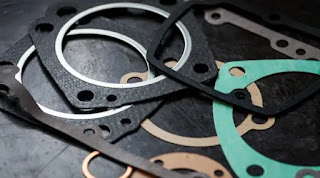
In industrial systems where flexibility, vibration control, and fluid containment are essential, rubber gaskets remain a fundamental sealing solution. While metal gaskets dominate extreme pressure and temperature environments, rubber gaskets offer unique advantages that make them indispensable across a wide range of applications.
Their continued relevance is rooted in adaptability, cost efficiency, and reliable performance in dynamic operating conditions.
Flexibility That Supports Reliable Sealing
One of the defining characteristics of rubber gaskets is their inherent flexibility. This elasticity allows rubber materials to conform easily to flange irregularities, surface imperfections, and minor misalignments. As a result, rubber gaskets create effective seals even when flange faces are not perfectly machined.
This ability to accommodate movement makes rubber gaskets particularly suitable for systems exposed to vibration, pressure fluctuations, or frequent thermal changes.
Effective Sealing at Moderate Temperatures and Pressures
Rubber gasket perform best in applications operating at moderate temperatures and pressures. Materials such as EPDM, Nitrile (NBR), Neoprene, and Silicone are widely used due to their balance of resilience, chemical resistance, and temperature tolerance.
These materials enable rubber gaskets to function reliably in water treatment plants, HVAC systems, pipelines, compressors, and general industrial equipment where metal gaskets may be unnecessary or impractical.
Chemical Compatibility and Material Selection
The performance of a rubber gasket is closely tied to material compatibility with the process media. Different rubber compounds are formulated to resist specific chemicals, oils, fuels, or weather conditions.
By selecting the correct elastomer, rubber gaskets can provide long-term sealing performance while minimizing swelling, hardening, or degradation. This makes them a preferred choice in applications involving fluids with varying chemical compositions.
Cost Efficiency and Ease of Installation
Rubber gaskets offer a practical advantage in terms of installation and maintenance. They generally require lower seating stress compared to metal gaskets, reducing the risk of flange damage and simplifying installation procedures.
Their affordability and availability also make rubber gaskets a cost-effective solution for large-scale installations and routine maintenance, where frequent gasket replacement may be expected.
Noise Reduction and Vibration Dampening
Beyond sealing, rubber gaskets contribute to system stability by absorbing vibration and reducing noise transmission. This characteristic is particularly valuable in rotating equipment, pumps, and machinery where vibration control improves operational comfort and extends equipment life.
This added functional benefit further distinguishes rubber gaskets from rigid sealing alternatives.
Where Rubber Gaskets Add the Most Value
Rubber gaskets are widely used in industries such as water and wastewater treatment, food and beverage processing, pharmaceuticals, HVAC, and general manufacturing. Their ability to provide reliable sealing without complex installation requirements makes them suitable for both industrial and commercial systems.
The Continued Importance of Rubber Gaskets
As industrial processes evolve, the need for reliable, adaptable, and economical sealing solutions remains constant. Rubber gaskets continue to meet these demands by offering flexibility, chemical resistance, and ease of use across a broad spectrum of applications.
Rather than being replaced, rubber gaskets remain a critical component in sealing systems where resilience and adaptability are more important than extreme pressure or temperature resistance.
Comments
Post a Comment