How Industrial Gaskets Contribute to Energy Efficiency in Manufacturing Facilities
Energy efficiency has become a top priority for modern manufacturing plants as industries seek to reduce operating costs, improve sustainability, and comply with environmental regulations. While equipment upgrades and process optimization often receive the most attention, one critical component is frequently overlooked—the industrial gasket.
Industrial gaskets play a vital role in maintaining the integrity of piping systems, pressure vessels, heat exchangers, pumps, and processing equipment. A properly selected and installed gasket not only prevents leaks but also contributes significantly to overall energy efficiency across industrial operations.
Understanding Energy Loss Through Leakage
Industrial facilities handle a wide range of fluids, gases, steam, and chemicals under varying pressures and temperatures. Even minor leaks can result in substantial energy losses over time.
Common consequences of leakage include:
Loss of compressed air
Steam wastage
Reduced process efficiency
Increased equipment workload
Higher fuel consumption
Additional maintenance costs
In many facilities, small leaks often go unnoticed until they begin affecting production performance. Effective gasket sealing helps eliminate these losses and supports more efficient operation.
The Relationship Between Sealing Performance and Energy Efficiency
Industrial gaskets are designed to create a secure seal between mating surfaces, preventing the escape of process media. When sealing performance is optimized, systems can maintain their intended operating conditions without requiring additional energy input.
Benefits include:
Stable system pressure
Consistent process temperatures
Reduced compressor operation
Lower fuel requirements
Improved equipment efficiency
A reliable sealing system ensures that valuable energy remains within the process rather than being lost through leaks.
Steam System Efficiency and Gasket Reliability
Steam is widely used in manufacturing for heating, power generation, and process applications. Steam leaks not only waste energy but can also increase operational risks.
Industrial gaskets used in steam systems must withstand:
High temperatures
Pressure fluctuations
Thermal cycling
Mechanical stress
When the correct gasket material and design are selected, steam systems operate more efficiently while reducing fuel consumption and maintenance requirements.
Minimizing Compressed Air Losses
Compressed air is one of the most expensive utilities in manufacturing facilities. Studies consistently show that leakage can account for a significant percentage of total compressed air consumption.
Industrial gaskets installed in compressors, piping systems, valves, and pneumatic equipment help maintain system integrity by preventing air loss. Improved sealing performance allows compressors to run less frequently, resulting in measurable energy savings.
Enhancing Heat Exchanger Performance
Heat exchangers are designed to transfer thermal energy efficiently between fluids. Gasket failure can reduce heat transfer effectiveness and compromise equipment performance.
Properly engineered industrial gaskets help:
Maintain fluid separation
Prevent cross-contamination
Preserve thermal efficiency
Reduce energy consumption
Reliable sealing contributes directly to the overall effectiveness of heat recovery systems and process heating operations.
Supporting Sustainable Manufacturing Goals
Many organizations are actively pursuing sustainability initiatives and carbon reduction targets. Reducing process leakage is one of the simplest and most cost-effective ways to improve environmental performance.
Effective gasket solutions support sustainability by:
Lowering energy consumption
Reducing greenhouse gas emissions
Minimizing product loss
Improving resource utilization
Extending equipment lifespan
As industries focus on greener operations, gasket performance becomes increasingly important in achieving environmental objectives.
The Importance of Material Selection
Not all industrial gaskets perform equally under demanding operating conditions. Selecting the correct material is essential for long-term sealing reliability and energy efficiency.
Common gasket materials include:
Rubber Gaskets
Suitable for low-pressure applications and systems requiring flexibility.
PTFE Gaskets
Excellent chemical resistance for corrosive process environments.
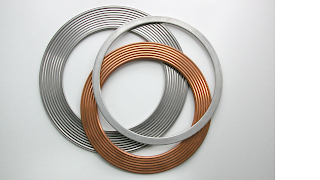
Spiral Wound Gaskets
Ideal for high-pressure and high-temperature applications.
Ring Type Joint (RTJ) Gaskets
Designed for critical sealing requirements in oil and gas operations.
Metal Jacketed Gaskets
Frequently used in heat exchangers and industrial equipment requiring enhanced durability.
Each material offers unique advantages depending on operating conditions and process requirements.
Preventing Downtime and Production Losses
Energy efficiency is closely connected to equipment reliability. Leaks caused by gasket failure can lead to:
Unplanned shutdowns
Emergency maintenance
Production interruptions
Increased operating expenses
By investing in high-quality industrial gaskets, facilities can improve uptime while maintaining efficient and consistent production processes.
Best Practices for Maximizing Gasket Performance
To achieve optimal energy savings, manufacturers should follow several key practices:
Select gaskets based on operating conditions
Follow recommended installation procedures
Ensure proper flange alignment
Apply correct bolt torque
Conduct regular inspections
Replace damaged gaskets promptly
These preventive measures help maintain sealing performance and support long-term operational efficiency.
Conclusion
Industrial gaskets are much more than simple sealing components. They play a direct role in improving energy efficiency, reducing operational costs, and supporting sustainable manufacturing practices. By preventing leaks, maintaining process integrity, and enhancing equipment reliability, industrial gaskets contribute significantly to overall plant performance.
As industries continue to focus on efficiency and environmental responsibility, investing in the right industrial gasket solutions remains a practical and cost-effective strategy for achieving long-term operational success.

Comments
Post a Comment