Spiral Wound Gaskets in High-Pressure and High-Temperature Applications
- Get link
- X
- Other Apps
In industries where process conditions are extreme, maintaining a reliable seal is critical for operational safety, equipment integrity, and regulatory compliance. Among the various sealing solutions available, spiral wound gaskets have become the preferred choice for many high-pressure and high-temperature applications due to their unique combination of resilience, flexibility, and sealing performance.
For engineers involved in plant design, maintenance, reliability, and procurement, understanding how spiral wound gaskets perform under demanding operating conditions can help improve system reliability and reduce costly downtime.
Why High-Pressure and High-Temperature Sealing Is Challenging
Industrial systems operating under elevated pressures and temperatures face several sealing challenges:
- Thermal expansion and contraction of flanges
- Pressure fluctuations during startup and shutdown
- Vibration and mechanical stress
- Creep relaxation of gasket materials
- Corrosive process media
- Frequent maintenance cycles
Traditional gasket materials often struggle to maintain an effective seal under these conditions, resulting in leakage, emissions, and equipment failures.
How Spiral Wound Gaskets Address These Challenges
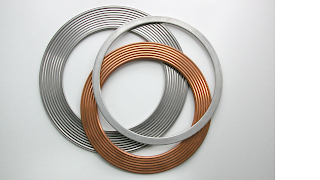
A spiral wound gasket consists of alternating layers of metal winding and soft filler material wound together under controlled tension. This construction provides a combination of strength and flexibility that is difficult to achieve with conventional gasket designs.
Key Components
Metal Winding
The metal strip provides:
- Structural strength
- Pressure resistance
- Recovery capability
- Blowout resistance
Common materials include:
- Stainless Steel 304
- Stainless Steel 316
- Monel
- Inconel
- Duplex Stainless Steel
Filler Material
The filler provides:
- Sealing efficiency
- Surface conformity
- Chemical resistance
Common fillers include:
- Graphite
- PTFE
- Ceramic fiber
- Mica
Performance Under Thermal Cycling
One of the biggest concerns in industrial operations is thermal cycling.
When equipment repeatedly heats up and cools down:
- Flanges expand and contract
- Bolt loads change
- Conventional gaskets may lose compression
Spiral wound gaskets are specifically designed to recover from these movements. Their spring-like construction helps maintain sealing stress even when flange loads fluctuate.
Benefits During Thermal Cycling
- Improved sealing reliability
- Reduced leak rates
- Better flange protection
- Extended service life
This makes them ideal for:
- Refineries
- Power plants
- Chemical processing units
- Steam systems
Resistance to Pressure Fluctuations
Pressure surges can create sudden loading changes across flange connections.
Spiral wound gaskets perform exceptionally well because the metal winding absorbs variations in loading while maintaining sufficient gasket stress.
Applications with Frequent Pressure Variations
- Boiler systems
- Compressors
- Heat exchangers
- Pressure vessels
- Reactor systems
The gasket's ability to maintain sealing force under dynamic conditions significantly reduces the risk of fugitive emissions.
Importance of Proper Compression
Even the highest-quality gasket can fail if compression is not properly controlled.
Engineers should ensure:
- Correct bolt torque values
- Proper flange alignment
- Uniform bolt tightening sequence
- Compliance with flange standards
Over-compression can damage the gasket, while under-compression may result in leakage.
Material Selection Based on Operating Conditions
Selecting the right winding and filler combination is essential.
| Service Condition | Recommended Filler | Typical Metal |
|---|---|---|
| High Temperature Steam | Graphite | SS316 |
| Chemical Processing | PTFE | SS316 |
| High Pressure Hydrocarbons | Graphite | SS316 or Inconel |
| Corrosive Environments | PTFE | Hastelloy |
| Power Generation | Graphite | Stainless Steel |
Material compatibility should always be verified against process conditions and chemical exposure.
Impact on Plant Reliability
A failed gasket can lead to:
- Production losses
- Environmental incidents
- Safety risks
- Increased maintenance costs
Properly selected spiral wound gaskets contribute to:
- Reduced unplanned shutdowns
- Improved equipment reliability
- Lower maintenance frequency
- Enhanced operational safety
For reliability engineers, gasket performance is often a critical component of overall asset management strategies.
Common Engineering Mistakes
Despite their robust design, spiral wound gaskets can fail due to installation and application errors.
Frequent Issues Include
Incorrect Gasket Material Selection
Using fillers incompatible with process media can accelerate degradation.
Reusing Old Gaskets
Spiral wound gaskets are generally designed for single-use applications.
Poor Flange Surface Condition
Damaged flange faces reduce sealing effectiveness.
Improper Storage
Exposure to moisture and contaminants may affect gasket performance before installation.
Uneven Bolt Loading
Non-uniform compression often causes localized leakage.
Industries Benefiting Most from Spiral Wound Gaskets
Oil & Gas
Pipeline systems, separators, heat exchangers, and pressure vessels.
Petrochemical Plants
High-temperature process units and reactors.
Power Generation
Steam lines, turbines, boilers, and condensers.
Chemical Manufacturing
Corrosive and aggressive media applications.
Marine and Offshore
Harsh environments requiring reliable sealing performance.
Future Trends in Spiral Wound Gasket Technology
The sealing industry continues to evolve with:
- Advanced alloy materials
- Improved graphite formulations
- Low-emission gasket designs
- Enhanced sealing performance for hydrogen applications
- Compliance with stricter environmental regulations
As industries focus on reducing emissions and improving plant efficiency, spiral wound gaskets will remain a key component in achieving operational excellence.
Conclusion
Spiral wound gaskets are more than just sealing elements—they are critical reliability components in high-pressure and high-temperature industrial systems. Their ability to withstand thermal cycling, pressure fluctuations, and demanding process conditions makes them one of the most trusted gasket solutions across industries.
For engineers, understanding the relationship between gasket design, material selection, flange condition, and installation practices is essential for maximizing sealing performance and ensuring long-term equipment reliability. Investing in the right spiral wound gasket solution can significantly reduce maintenance costs, improve safety, and enhance overall plant productivity.
- Get link
- X
- Other Apps
Comments
Post a Comment