Why Rubber Gaskets Are Essential for Reliable Industrial Operations in India and the UAE
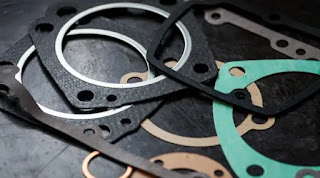
Industrial systems depend on hundreds of interconnected components working together under varying pressures, temperatures, and environmental conditions. Among these components, rubber gaskets play a vital role in ensuring leak-proof sealing, equipment reliability, and operational safety.
From manufacturing facilities in India to oil and gas installations in the UAE, rubber gaskets are widely used across industries that demand dependable sealing performance. Their flexibility, durability, and resistance to various chemicals make them indispensable for maintaining efficient industrial operations.
The Growing Demand for Rubber Gaskets
As industries continue to expand across India and the Middle East, the demand for high-performance sealing solutions is increasing rapidly. Infrastructure projects, petrochemical plants, water treatment facilities, power generation units, and manufacturing industries all require effective sealing systems to prevent leakage and equipment failure.
Rubber gaskets offer a cost-effective and reliable solution for sealing flanged joints, machinery housings, pumps, valves, and pipelines operating under diverse conditions.
Key Advantages of Rubber Gaskets
Excellent Sealing Performance
Rubber materials can easily conform to surface irregularities, creating a tight seal even when mating surfaces are not perfectly smooth. This flexibility helps prevent leakage of liquids, gases, and other process media.
Resistance to Environmental Conditions
Different rubber compounds can be selected based on application requirements:
EPDM for water and weather resistance
Nitrile (NBR) for oils and fuels
Neoprene for industrial applications
Silicone for high-temperature environments
Viton® for aggressive chemicals and hydrocarbons
This versatility allows rubber gaskets to perform effectively across multiple industries.
Reduced Maintenance Costs
Leakages can result in equipment damage, production downtime, and safety risks. Properly selected rubber gaskets help reduce maintenance requirements and improve overall system reliability.
Vibration and Noise Reduction
Industrial equipment often generates vibration during operation. Rubber gaskets absorb vibration and reduce noise transmission, contributing to smoother equipment performance.
Applications Across India's Industrial Sector
India's rapidly growing industrial landscape relies heavily on dependable sealing technologies. Rubber gaskets are commonly used in:
Power Generation Plants
Power stations utilize rubber gaskets in cooling systems, water pipelines, pumps, and auxiliary equipment to maintain operational efficiency.
Chemical Processing Industries
Chemical plants require gasket materials capable of resisting various chemicals while maintaining sealing integrity under demanding conditions.
Water Treatment Facilities
Municipal and industrial water treatment systems depend on rubber gaskets for pipe connections, valves, and filtration equipment.
Manufacturing Industries
Factories use rubber gaskets in compressors, hydraulic systems, processing equipment, and machinery requiring leak-free performance.
Importance of Rubber Gaskets in the UAE's Industrial Market
The UAE is home to some of the world's largest oil and gas, petrochemical, and infrastructure projects. These industries require sealing solutions capable of performing in harsh environmental conditions.
Oil and Gas Operations
Pipelines, storage facilities, and processing equipment require reliable sealing to prevent leaks and maintain safety standards. Rubber gaskets play a critical role in supporting operational continuity.
Desalination Plants
As desalination remains a key source of water in the UAE, rubber gaskets are extensively used in pumps, filtration units, and water distribution systems.
HVAC Systems
Large commercial developments across Dubai, Abu Dhabi, and other Emirates depend on extensive HVAC networks where rubber gaskets ensure efficient airflow and fluid containment.
Marine and Offshore Applications
Rubber gaskets are commonly used in offshore platforms, marine vessels, and coastal infrastructure due to their ability to withstand challenging operating environments.
Selecting the Right Rubber Gasket Material
Choosing the appropriate gasket material is crucial for achieving optimal sealing performance. Factors to consider include:
Operating temperature
Pressure conditions
Chemical compatibility
Environmental exposure
Industry standards and specifications
Service life expectations
Working with an experienced gasket manufacturer helps ensure the correct material selection for each application.
Future Trends in Rubber Gasket Technology
Modern industries are increasingly seeking advanced sealing solutions that offer:
Improved chemical resistance
Longer service life
Enhanced temperature tolerance
Better environmental sustainability
Compliance with international industry standards
As industrial processes become more demanding, rubber gasket manufacturers continue to develop innovative materials capable of meeting evolving requirements.
Conclusion
Rubber gaskets remain one of the most important sealing components across industrial sectors in both India and the UAE. Their ability to provide reliable sealing, withstand challenging operating conditions, and support equipment longevity makes them a preferred choice for engineers and maintenance professionals.
Whether used in power plants, manufacturing facilities, petrochemical complexes, water treatment systems, or oil and gas installations, high-quality rubber gaskets contribute significantly to operational safety, efficiency, and productivity. Investing in the right gasket solution helps organizations reduce downtime, improve reliability, and achieve long-term performance goals.
Comments
Post a Comment